

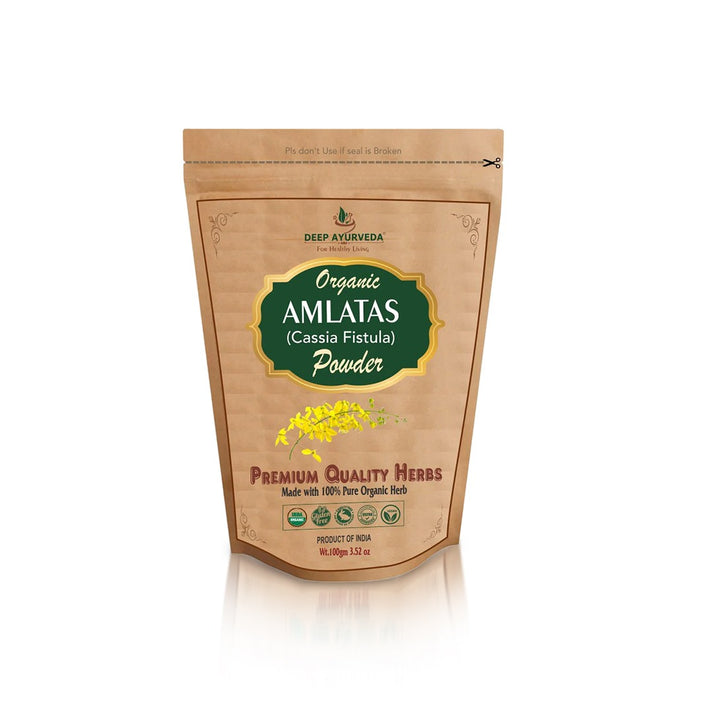
Deep Ayurveda Organic Cassia Fistula Powder
✅ 100% Natural | Lab-Tested ✅ Support Digestive Health ✅ Support Skin Health ✅ Support Liver Health ✅ Fever and Seasonal Wellness ✅
If you’ve ever seen a tree covered in long cascades of bright golden-yellow flowers, there’s a good chance you were looking at the Cassia fistula, widely known as the Golden Shower Tree. When this tree blooms, it transforms an ordinary landscape into a stunning display of colour. The hanging clusters of flowers almost look like golden rain falling from the branches, which is how the tree earned its beautiful name.
In recent years, the Golden Shower Tree has gained attention among gardeners and landscapers in warm regions of Australia. Its vibrant blooms, relatively low maintenance needs, and elegant shape make it a standout ornamental tree for parks, large gardens, and tropical landscapes.

But Cassia fistula is more than just a decorative plant. In traditional herbal systems, especially Ayurveda, it has been valued for centuries for its natural healing properties. As an Ayurvedic practitioner working with plant-based remedies, I’ve also seen growing curiosity among people in Australia about traditional herbs and trees like this one.
In this complete guide, we’ll explore everything you need to know about the Cassia fistula tree — from its appearance and growing conditions to its traditional uses and care tips. Whether you’re a gardener looking for a striking flowering tree or simply someone curious about this fascinating plant, this article will help you understand why the Golden Shower Tree is so admired around the world.
What Is Cassia Fistula?
Cassia fistula is a tropical flowering tree known for its spectacular yellow blooms and long cylindrical seed pods. It belongs to the legume family and is native to regions of South Asia and Southeast Asia, where it has been cultivated for centuries both as an ornamental tree and a traditional medicinal plant.
The tree is widely recognised for its dramatic flowering display. During the blooming season, long drooping clusters of golden flowers appear across the branches, often covering the tree almost completely.
Because of its beauty, the Golden Shower Tree is commonly planted in gardens, roadsides, parks, and botanical landscapes in tropical and subtropical regions.
Botanical Overview
-
Scientific name: Cassia fistula
-
Common names: Golden Shower Tree, Indian Laburnum
-
Plant family: Fabaceae (legume family)
-
Plant type: Medium-sized deciduous tree
-
Native regions: South Asia and Southeast Asia
Why It’s Called the Golden Shower Tree
The name “Golden Shower Tree” comes from the way its flowers grow in long drooping clusters known as racemes. These clusters can reach up to 30–50 cm in length and hang gracefully from the branches.
When the tree is in full bloom, hundreds of yellow flowers appear together, creating a dramatic visual effect that resembles a shower of golden petals falling from the tree.
Quick Facts About Cassia Fistula
-
Typical height: 6–10 metres
-
Growth rate: Moderate
-
Flower colour: Bright golden yellow
-
Flowering season: Late spring to early summer
-
Lifespan: Several decades in favourable conditions
-
Climate preference: Warm, tropical, and subtropical regions
Cassia Fistula Tree Appearance and Characteristics
One of the main reasons gardeners love Cassia fistula is its elegant structure and seasonal transformation.
During most of the year, the tree displays soft green foliage that provides moderate shade. But when flowering season arrives, the tree becomes a spectacular golden canopy.
Tree Size and Growth Habit
Cassia fistula typically grows into a medium-sized tree reaching between 6 and 10 metres tall. The canopy is open and slightly spreading, allowing sunlight to filter through the leaves.
This makes it a good option for landscaping where partial shade is desired without completely blocking sunlight.
Leaves, Flowers, and Seed Pods
The leaves of the tree are compound, meaning each leaf consists of several smaller leaflets. These leaflets are oval in shape and appear in pairs along a central stem.
The flowers are the most striking feature. They appear in long clusters that hang downward, each cluster containing dozens of individual yellow flowers.
After the flowering season ends, the tree produces long cylindrical seed pods that can reach up to 50–60 cm in length. These pods gradually turn dark brown as they mature.
Flowering Season
In warm climates, Cassia fistula typically blooms during late spring or early summer. The flowering period may last several weeks, during which the tree becomes completely covered in golden blossoms.
This seasonal transformation is what makes the Golden Shower Tree such a popular ornamental plant.
Why Gardeners Love This Tree
Gardeners and landscape designers appreciate Cassia fistula for several reasons:
-
Spectacular seasonal flowering display
-
Elegant, airy canopy structure
-
Attractive shade tree for large gardens
-
Ability to attract pollinators like bees and butterflies
-
Relatively low maintenance once established
Can Cassia Fistula Grow in Australia?
Yes, Cassia fistula can grow successfully in parts of Australia, particularly in warm and tropical regions.
However, because the tree prefers warm temperatures and plenty of sunlight, it performs best in areas where frost is minimal.
Best Climate Zones in Australia
The Golden Shower Tree tends to grow best in:
-
Tropical Queensland
-
Northern Territory
-
Northern Western Australia
-
Warm coastal regions of northern New South Wales
These areas provide the warm temperatures and sunlight the tree requires to thrive and produce abundant flowers.
Soil Requirements
Cassia fistula prefers well-drained soil. Like many tropical trees, it does not tolerate waterlogged conditions.
Ideal soil conditions include:
-
Sandy or loamy soil
-
Good drainage
-
Moderate organic matter
Adding compost or organic mulch can help improve soil structure and support healthy growth.
Sunlight Needs
The Golden Shower Tree thrives in full sunlight. For the best flowering results, the tree should receive at least six to eight hours of direct sunlight each day.
Frost Tolerance
Young Cassia fistula trees can be sensitive to frost. In cooler regions of Australia, gardeners may need to protect young plants during cold winter nights.
Once established, mature trees can tolerate short periods of cooler temperatures, but they still prefer warm climates.
How to Grow Cassia Fistula in Your Garden
Growing Cassia fistula can be a rewarding experience if the tree is planted in the right conditions.
Growing From Seeds
Cassia fistula is commonly grown from seeds. The seeds have a hard outer coating, so they may require scarification to help them germinate.
This usually involves lightly scratching the seed surface or soaking the seeds in warm water for 24 hours before planting.
Planting Guide
Follow these basic steps for planting:
-
Choose a sunny location with enough space for the tree to grow.
-
Prepare the soil by loosening it and adding compost.
-
Dig a hole slightly larger than the root ball.
-
Place the young plant carefully in the hole.
-
Fill the hole with soil and water thoroughly.
Watering Requirements
Young trees should be watered regularly until they become established. Once mature, Cassia fistula becomes relatively drought tolerant and can survive with moderate watering.
Fertilizing Tips
Applying organic compost or a slow-release fertilizer during the growing season can encourage healthy growth and flowering.
Pruning and Maintenance
Cassia fistula generally requires minimal pruning. Occasional pruning may be done to remove damaged branches or improve the tree’s shape.
Landscaping Uses of Cassia Fistula in Australian Gardens
Because of its striking flowers, the Golden Shower Tree is often used as a feature tree in landscape design.
Feature Tree for Large Gardens
In spacious gardens, Cassia fistula can serve as a focal point that draws attention during the flowering season.
Shade Tree for Lawns
The tree’s open canopy provides light shade, making it suitable for planting near seating areas or lawns.
Avenue Planting
In some tropical regions, Cassia fistula trees are planted along roads or walkways to create beautiful flowering avenues.
Public Parks and Streetscapes
Local councils and landscape designers sometimes include this tree in public gardens and parks because of its ornamental value.
Cassia Fistula in Traditional Ayurveda

Beyond its beauty, Cassia fistula has a long history in traditional herbal medicine.
In Ayurveda, the tree is known for its natural cleansing and digestive-support properties. Different parts of the plant have traditionally been used in herbal formulations.
Traditional Ayurvedic Perspective
In Ayurvedic texts, Cassia fistula is often associated with gentle detoxifying properties. The pulp inside the seed pods has historically been used in traditional herbal preparations.
Practitioner Experience
As an Ayurvedic practitioner, I often notice that many people today are becoming interested in natural plant-based remedies. Some patients who visit Ayurvedic clinics are curious about traditional herbs that support digestion and general wellness.
While Cassia fistula has been traditionally used in herbal systems, it’s important to remember that any herbal preparation should be used under professional guidance.
Health Benefits of Cassia Fistula
In traditional herbal medicine, Cassia fistula has been associated with several wellness-supporting properties.
Digestive Health Support
Traditionally, parts of the plant have been used to support digestive balance and gut health.
Natural Detox Properties
In herbal traditions, the pulp of the seed pods is often considered to have mild cleansing effects.
Skin Support
Some traditional formulations also include extracts from Cassia fistula for maintaining healthy skin.
It’s important to note that herbal uses should always be approached responsibly and with professional advice.
Cassia Fistula vs Other Cassia Trees
The Cassia genus contains several flowering species that can sometimes be confused with each other.
For example:
-
Cassia javanica has pink flowers rather than yellow ones.
- Some Senna species produce yellow flowers but have different leaf structures.
Understanding these differences can help gardeners choose the right tree for their landscape.
Is Cassia Fistula Safe?
While the tree has traditional uses in herbal systems, not all parts of the plant are suitable for casual consumption.
Anyone interested in herbal remedies should consult a qualified practitioner before using plant-based preparations.
Final Thoughts
Cassia fistula is one of the most visually striking flowering trees in the plant world. Its cascading golden flowers create an unforgettable display that can transform any landscape during the blooming season.
For gardeners in suitable Australian climates, the Golden Shower Tree can be a beautiful addition to large gardens, parks, and outdoor spaces.
Beyond its ornamental value, the tree also carries a long cultural and herbal history, particularly in traditional systems like Ayurveda.
Whether you appreciate it for its breathtaking beauty or its botanical heritage, the Cassia fistula tree truly lives up to its reputation as one of nature’s most remarkable flowering trees.
Frequently Asked Questions
1. Can Cassia fistula grow in Australia?
Yes, Cassia fistula can grow successfully in several warm regions of Australia. The tree thrives in tropical and subtropical climates where winters are mild and frost is rare. It grows particularly well in parts of Queensland, the Northern Territory, and northern Western Australia. In cooler areas, young trees may require protection from frost during winter.
2. How fast does a Cassia fistula tree grow?
Cassia fistula has a moderate growth rate. Under good growing conditions, the tree can grow around 30–60 cm per year. With proper sunlight, well-drained soil, and regular watering during the early stages, it may reach its mature height of around 6 to 10 metres within several years.
3. When does the Golden Shower Tree flower in Australia?
In warm Australian climates, the Golden Shower Tree typically flowers in late spring to early summer, usually between October and January depending on the region. During this period, the tree produces long cascading clusters of bright yellow flowers that create a striking visual display.
4. Does Cassia fistula need full sun?
Yes, Cassia fistula grows best in full sunlight. The tree should ideally receive at least six to eight hours of direct sunlight each day. Adequate sunlight encourages stronger growth and significantly improves the flowering display.
5. Is the Golden Shower Tree messy in gardens?
Like many flowering trees, Cassia fistula can drop flowers and seed pods during certain times of the year. While the fallen yellow petals may create a colourful carpet under the tree, the long seed pods may require occasional clean-up. For this reason, it’s best planted slightly away from patios or driveways.
6. Can Cassia fistula grow in pots?
Young Cassia fistula plants can grow in large containers for a few years. However, because the tree eventually grows quite large, it is best suited for planting directly in the ground where the roots have enough space to develop properly.
7. Is Cassia fistula drought tolerant?
Once established, Cassia fistula can tolerate short periods of dry weather. However, regular watering during the early growth stage helps the tree develop strong roots. In extremely dry conditions, occasional deep watering will help maintain healthy growth.
8. Are Cassia fistula roots invasive?
The root system of Cassia fistula is generally not considered aggressively invasive. However, like most medium-sized trees, it is still advisable to plant it a reasonable distance away from buildings, pipes, or paved areas to avoid potential root interference in the future.
9. Is the Golden Shower Tree safe for pets?
Some parts of the Cassia fistula plant may not be suitable for pets if ingested in large amounts. Pet owners should avoid allowing animals to chew on seed pods or plant parts. If you are concerned about plant safety around pets, it is always best to consult a veterinarian or gardening expert.
10. Why is my Cassia fistula tree not flowering?
There are several reasons why a Cassia fistula tree may not produce flowers. Common causes include insufficient sunlight, young tree age, poor soil drainage, or lack of nutrients. Ensuring the tree receives full sun and well-drained soil usually improves flowering over time.


