

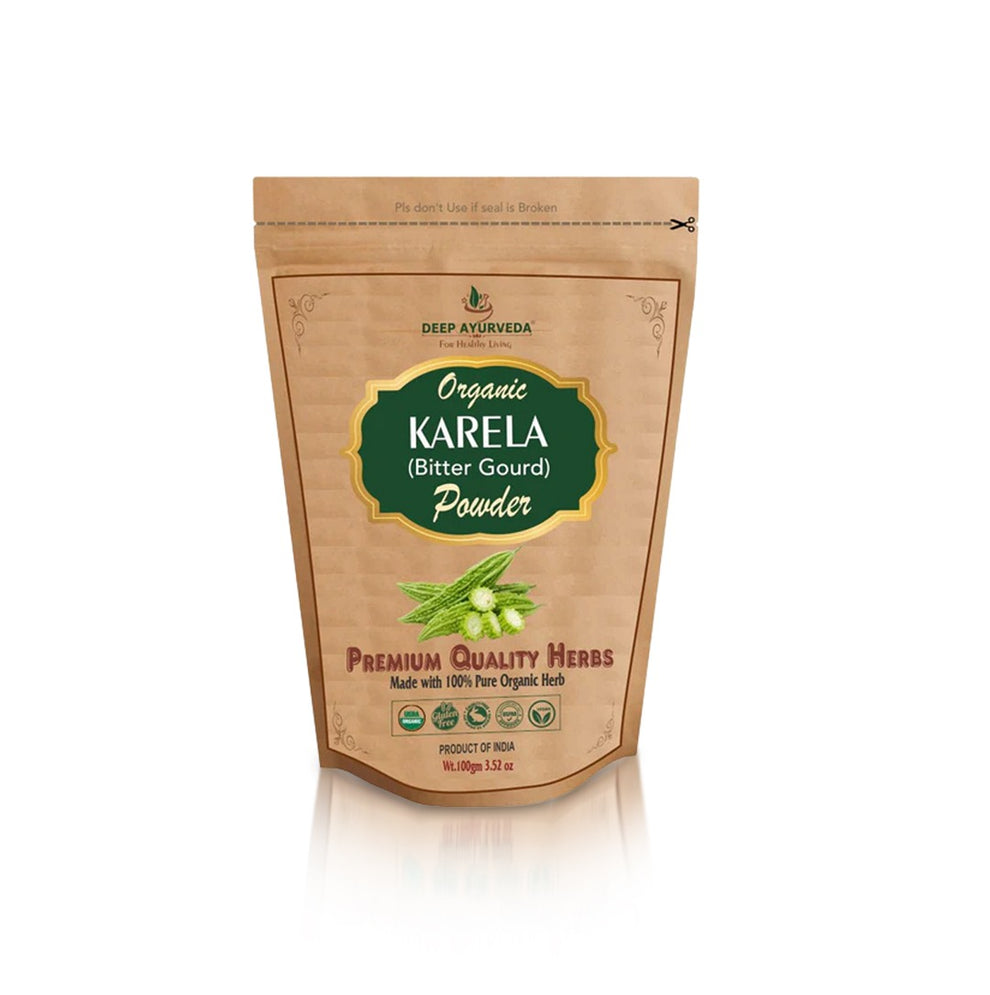
Deep Ayurveda Organic Bitter Gourd Powder
✅100% Organic & Chemical-Free ✅ Supports Healthy Blood Sugar Levels ✅ Promotes Better Digestion ✅ Natural Body Detoxification ✅ Supports Skin Health
If you’ve ever browsed an Asian grocery store or searched for healthy vegetables online, you may have come across two names that seem confusing: bitter gourd and bitter melon.
At first glance, they might sound like two completely different foods. After all, one is called a gourd and the other a melon. Naturally, many people wonder whether they are actually different vegetables or simply different names for the same plant.
The short answer is simple: bitter gourd and bitter melon are the same vegetable. The difference mostly comes down to regional language, culinary traditions, and slight variations in appearance.
But the story doesn’t end there. This unique vegetable has a long history in global cuisine, traditional medicine, and modern nutrition research. In this guide, we’ll explore everything you need to know about bitter gourd and bitter melon—from their origins and varieties to their health benefits and culinary uses.
What Is Bitter Gourd (Bitter Melon)?

Bitter gourd, scientifically known as Momordica charantia, is a tropical vine plant that belongs to the Cucurbitaceae family, the same plant family as cucumbers, pumpkins, and squash.
The vegetable is known for its distinctive bumpy skin and extremely bitter taste, which sets it apart from most other vegetables. Despite the strong flavor, bitter gourd is widely consumed across Asia, Africa, and the Caribbean.
The plant grows as a climbing vine and produces elongated fruits that are usually green when harvested. As the fruit matures, it can turn yellow or orange and eventually split open to reveal bright red seeds.
Bitter gourd has been cultivated for centuries and is commonly used in both cooking and traditional herbal practices.
Bitter Gourd vs Bitter Melon: Are They the Same?
Yes, bitter gourd and bitter melon refer to the same vegetable species. The difference between the two names mainly reflects regional naming preferences.
In many South Asian countries, the vegetable is commonly called bitter gourd. Meanwhile, in Western countries like the United States, Canada, and Australia, the name bitter melon is more widely used.
Both names describe the same plant and fruit.
Why Does the Vegetable Have Two Names?
The dual naming can be confusing for people who encounter the vegetable for the first time. However, the reason is largely cultural and linguistic.
Bitter Gourd
The term bitter gourd is commonly used in countries such as India, Pakistan, Bangladesh, and Sri Lanka. Since the plant belongs to the gourd family, the name makes botanical sense.
Bitter Melon
In Western countries, the name bitter melon became popular because the fruit somewhat resembles a melon in shape. However, it is not closely related to sweet melons like watermelon or cantaloupe.
Both names describe the same vegetable, and you can use them interchangeably.
Local Names Around the World
Because bitter gourd is grown in many regions, it has several different local names.
Here are some of the most common ones:
| Country/Region | Local Name |
|---|---|
| India | Karela |
| Philippines | Ampalaya |
| Japan | Goya |
| China | Ku Gua |
| Thailand | Mara |
| Caribbean | Cerasee |
Even though the names differ, they all refer to the same vegetable.
Different Varieties of Bitter Melon
Although bitter gourd and bitter melon belong to the same plant species, there are several varieties grown in different parts of the world. These varieties differ slightly in size, color, texture, and bitterness, which is why people sometimes think they are completely different vegetables.
The two most widely known types are Indian bitter gourd and Chinese bitter melon.
Indian Bitter Gourd
The Indian variety of bitter gourd is smaller in size and usually has a darker green color compared to other types. Its surface is covered with sharp ridges and rough bumps, giving it a very textured appearance.
One thing that makes this variety stand out is its strong, intense bitterness, which is why it is often cooked with spices, onions, or stuffed with flavorful ingredients in traditional Indian dishes.
Because of its bold flavor, this variety is commonly used in Indian, Pakistani, and Bangladeshi cuisine, especially in dishes like karela sabzi or stuffed bitter gourd.
Chinese Bitter Melon
The Chinese variety of bitter melon looks quite different from the Indian type. It is usually longer, lighter green in color, and has smoother bumps instead of sharp ridges.
Another key difference is its flavor. Chinese bitter melon tends to be less bitter and slightly milder, which makes it easier for people who are trying bitter melon for the first time.
Due to its softer taste and tender texture, this variety is commonly used in Chinese stir-fries, soups, and herbal broths.
Why Is Bitter Gourd So Bitter?
One of the most noticeable features of bitter gourd is its strong taste. The bitterness comes from natural compounds called momordicosides and cucurbitacins.
These compounds are responsible for the vegetable’s distinctive flavor and are also believed to contribute to many of its potential health benefits.
Interestingly, bitter foods are highly valued in several traditional cuisines because they are thought to support digestion and metabolic health.
Nutritional Value of Bitter Melon
Despite its strong taste, bitter melon is packed with nutrients. It is low in calories but rich in vitamins, minerals, and antioxidants.
Here’s a general overview of the nutritional profile of bitter melon per 100 grams:
| Nutrient | Approximate Amount |
|---|---|
| Calories | 17 |
| Vitamin C | 84% of daily value |
| Vitamin A | 9% of daily value |
| Fiber | 2–3 grams |
| Potassium | 296 mg |
| Iron | 0.4 mg |
Bitter melon also contains several plant compounds that may support overall health.
Potential Health Benefits of Bitter Gourd
Bitter gourd has been used in traditional medicine systems for centuries. In recent years, it has also attracted attention in modern nutrition research.
Here are some of the most commonly discussed potential benefits.
1. May Support Blood Sugar Control
One of the most widely studied benefits of bitter melon is its possible role in supporting blood sugar regulation.
Some compounds in bitter melon may help the body process glucose more efficiently, which is why the vegetable is sometimes included in diets aimed at managing blood sugar levels.
However, it should never replace medical treatment without professional advice.
2. Rich in Antioxidants
Bitter melon contains several antioxidants that help protect cells from oxidative stress. Antioxidants play an important role in maintaining overall health and reducing inflammation in the body.
3. Supports Digestive Health
The fiber in bitter gourd helps support healthy digestion and can contribute to improved gut health.
Additionally, bitter foods are traditionally believed to stimulate digestive enzymes.
4. May Support Heart Health
Bitter melon contains nutrients such as potassium and fiber, which are commonly associated with cardiovascular health.
While research is still ongoing, including vegetables like bitter melon in a balanced diet may contribute to heart-healthy eating patterns.
Bitter melon is not only known for its unique flavor but also for its powerful nutritional properties. Research and traditional medicine both highlight its role in supporting blood sugar balance, digestion, and immune health. If you'd like to explore these benefits in detail, you can read this comprehensive guide on the health benefits of bitter melon.
How Bitter Gourd Is Used in Cooking
Despite its bitterness, bitter gourd is an essential ingredient in many cuisines.
Different cultures have developed unique ways to prepare it so that the flavor becomes more balanced.
Here are some popular culinary uses.
Indian Cuisine
In Indian cooking, bitter gourd is often prepared as karela sabzi, where the vegetable is sautéed with spices, onions, and sometimes potatoes.
Stuffed bitter gourd is another well-known dish in Indian households.
Chinese Cuisine
In Chinese cooking, bitter melon is commonly stir-fried with garlic, fermented black beans, or sliced pork.
The vegetable is also used in soups and herbal broths.
Filipino Cuisine
In the Philippines, bitter melon—called ampalaya—is frequently cooked with eggs or added to vegetable stir-fries.
Japanese Cuisine
In Okinawa, bitter melon is the star ingredient in a famous dish called goya champuru, a stir-fry that includes tofu, eggs, and pork.
How to Reduce the Bitterness
For people who are trying bitter gourd for the first time, the strong flavor can be surprising. Fortunately, there are several cooking techniques that help reduce the bitterness.
Here are a few common methods:
Salt Treatment
Slice the bitter melon, sprinkle it with salt, and let it sit for about 15 minutes. Then rinse it with water before cooking.
Blanching
Quickly boiling the slices for a few minutes can help mellow the flavor.
Pairing with Strong Flavors
Cooking bitter melon with ingredients like garlic, onions, soy sauce, or spices helps balance the bitterness.
Is Bitter Gourd a Fruit or a Vegetable?
From a botanical perspective, bitter gourd is actually a fruit because it grows from the flowering part of the plant and contains seeds.
However, in culinary terms, it is treated as a vegetable because it is used in savory dishes rather than sweet ones.
This situation is similar to tomatoes, cucumbers, and squash, which are also technically fruits but commonly called vegetables.
Why Bitter Melon Is Becoming Popular in the West
In recent years, bitter melon has started gaining attention in Western countries.
Several factors have contributed to this growing interest.
Rising Popularity of Asian Cuisine
As Asian restaurants and grocery stores become more common globally, people are discovering ingredients that were once unfamiliar.
Interest in Functional Foods
Many consumers today are looking for foods that provide health benefits beyond basic nutrition.
Plant-Based Diet Trends
Vegetables with strong flavors and unique textures are increasingly valued in plant-based cooking.
Because of these trends, bitter melon is gradually appearing in farmers markets, international supermarkets, and health-focused food blogs.
How to Buy and Store Bitter Melon
If you’re planning to cook with bitter melon, selecting the right one is important.
Choosing Fresh Bitter Melon
Look for vegetables that are:
-
Firm to the touch
-
Bright green in color
-
Free from soft spots or yellow patches
Younger bitter melons usually have a milder flavor compared to older ones.
Storage Tips
Bitter melon can be stored in the refrigerator for about four to five days.
To keep it fresh longer, place it in a breathable bag or wrap it loosely in paper towels.
Who Should Avoid Bitter Melon?
Although bitter melon is safe for most people when consumed as food, certain individuals should be cautious.
For example:
-
Pregnant women are sometimes advised to avoid large amounts.
-
People taking blood sugar medication should consult a healthcare professional.
-
Excessive consumption may cause digestive discomfort in some individuals.
Moderation is always the best approach.
Final Thoughts
So, are bitter gourd and bitter melon the same vegetable?
Yes. They are simply two different names for the same plant species, Momordica charantia.
The name bitter gourd is more common in South Asia, while bitter melon is widely used in Western countries. Despite the different names, the vegetable itself remains the same.
With its distinctive taste, impressive nutritional profile, and long culinary history, bitter melon is a fascinating ingredient that continues to gain popularity worldwide.
Whether you’re exploring global cuisines or looking to expand your vegetable choices, bitter gourd is definitely worth trying.
Frequently Asked Questions
Is bitter gourd the same as bitter melon?
Yes, bitter gourd and bitter melon are two names for the same vegetable species, Momordica charantia.
Why is bitter melon so bitter?
The bitterness comes from natural plant compounds called cucurbitacins and momordicosides.
What is bitter melon called in India?
In India, bitter melon is commonly known as karela.
Is bitter melon healthy?
Yes, bitter melon is rich in vitamins, antioxidants, and fiber, making it a nutritious addition to a balanced diet.


