

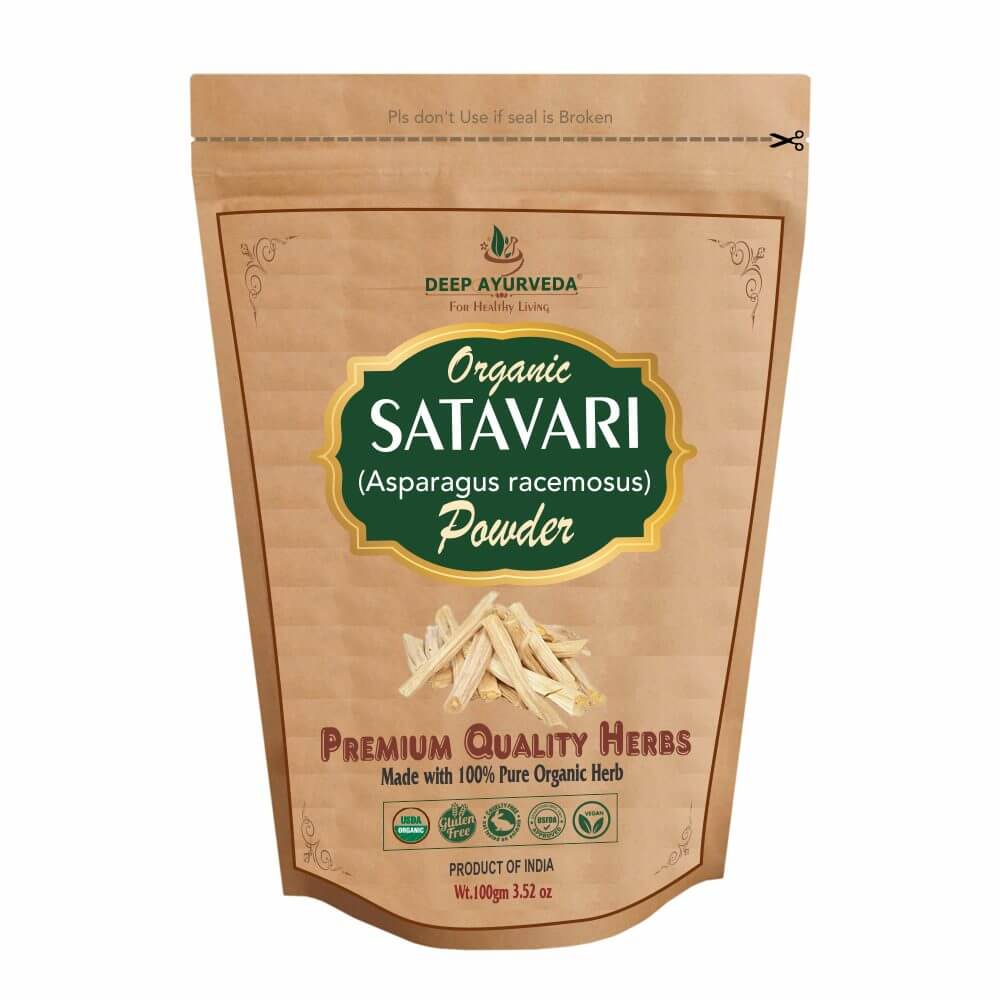
Deep Ayurveda Asparagus racemosus Powder
✅100% Organic & Chemical-Free ✅ Supports Women’s Hormonal Balance ✅ Enhances Fertility & Reproductive Health ✅ Boosts Immunity & Vitality
For centuries, Asparagus racemosus, commonly known as Shatavari, has been used in traditional Ayurvedic medicine as a herbal remedy for supporting general wellbeing, particularly women's health. Today, interest in this plant is growing well beyond its traditional roots, with Australians increasingly exploring herbal supplements as part of their overall health and wellness routines.
But with popularity comes an important question:
What does modern science actually say about Asparagus racemosus?
If you've searched online, you've probably come across articles describing Shatavari as a miracle herb or claiming it can balance hormones, boost fertility, improve immunity and relieve stress. While some laboratory and clinical studies suggest promising potential, many of these claims are stronger than the available scientific evidence supports.
Understanding the difference between traditional use and evidence-based research is essential before deciding whether this herbal supplement may be appropriate for you.
This guide has been written for Australian readers who want reliable, balanced information rather than marketing hype. We'll explain what researchers currently know, where evidence remains limited, who should avoid taking Asparagus racemosus, possible side effects, medicine interactions and how to choose a quality supplement if you're considering one.
Rather than promising quick fixes, this article focuses on helping you make informed decisions based on current research and recognised safety considerations.
Quick Facts About Asparagus racemosus
| Feature | Details |
|---|---|
| Scientific name | Asparagus racemosus |
| Common name | Shatavari |
| Plant family | Asparagaceae |
| Traditional medical system | Ayurveda |
| Native regions | India, Nepal, Sri Lanka, Himalayas and parts of Asia; also found in parts of northern Australia |
| Common supplement forms | Capsules, tablets, powders, liquid extracts |
| Traditional uses | Women's health, digestive support, general wellbeing |
| Current scientific evidence | Promising in some areas but still limited overall |
| Suitable for everyone? | No. Some people should avoid taking it or seek medical advice first. |
What Is Asparagus racemosus?
Asparagus racemosus is a climbing plant belonging to the asparagus family. Unlike the edible green asparagus commonly found in Australian supermarkets, this species has traditionally been valued for its medicinal roots rather than as a vegetable.
In Ayurveda, Shatavari has been used for many generations as a Rasayana, a category of herbs traditionally believed to support vitality and overall wellbeing. Historical texts describe its use for supporting women's reproductive health, digestive comfort and resilience during periods of physical or emotional stress.
Today, researchers are studying the plant to better understand whether these traditional uses are supported by modern scientific evidence.
The roots of Asparagus racemosus contain a range of naturally occurring compounds, including:
- Steroidal saponins (often called shatavarins)
- Flavonoids
- Polyphenols
- Alkaloids
- Essential minerals
- Natural antioxidants
These compounds have attracted scientific interest because laboratory studies suggest they may have antioxidant, anti-inflammatory and immune-modulating properties. However, laboratory findings do not automatically translate into proven health benefits in humans.
That distinction is important.
Many studies involving Asparagus racemosus have been conducted in animals or laboratory settings. Human clinical trials are increasing but remain relatively small, meaning more high-quality research is needed before firm conclusions can be drawn for many health claims.
Why Is Shatavari Becoming Popular in Australia?
Australians are becoming more interested in complementary and herbal medicines as part of a broader focus on preventive health and wellbeing. This has contributed to growing awareness of traditional herbs such as Shatavari.
Several factors appear to be driving this interest:
- Greater awareness of traditional herbal medicine.
- Increased demand for plant-based wellness products.
- Growing interest in complementary approaches alongside conventional healthcare.
- Easier access to herbal supplements through Australian retailers and online stores.
While this increased availability makes herbal products easier to find, it also highlights the importance of choosing supplements carefully. Product quality, ingredient standardisation and manufacturing practices can vary, so it's worth checking that any supplement you purchase is supplied through reputable sources and complies with Australian regulatory requirements where applicable.
Traditional Uses of Asparagus racemosus
One of the reasons Asparagus racemosus (Shatavari) has remained an important herb for centuries is its long history of use in Ayurvedic medicine, one of the world's oldest traditional systems of healthcare. In Ayurveda, Shatavari is classified as a Rasayana, a group of herbs traditionally believed to promote vitality, resilience and overall wellbeing.
Historically, Ayurvedic practitioners have recommended Asparagus racemosus for a variety of health concerns, particularly those related to women's health and general wellness. These traditional uses have been passed down through generations and continue to influence how the herb is used today.
Some of the most recognised traditional uses include:
Women's reproductive health: Shatavari has traditionally been used to support different stages of a woman's reproductive life, including menstrual wellbeing, pregnancy, breastfeeding and menopause. In Ayurvedic practice, it is regarded as a nourishing herb that helps maintain overall reproductive health rather than targeting a specific medical condition.
General vitality and energy: Traditionally, Asparagus racemosus has been valued as a rejuvenating herb that may help support physical strength, stamina and recovery during periods of fatigue or increased physical demand. It has often been included in wellness routines aimed at promoting long-term health.
Digestive comfort: Ayurvedic practitioners have historically used Shatavari to help maintain digestive comfort and support healthy gastrointestinal function. It has traditionally been recommended for people experiencing occasional digestive discomfort or seeking to promote digestive balance.
Healthy ageing: As a Rasayana herb, Asparagus racemosus has long been associated with healthy ageing and maintaining overall wellbeing throughout different stages of life. Traditional practitioners believed it could help nourish the body's tissues and support long-term vitality.
Stress resilience: In traditional Ayurvedic medicine, Shatavari has been used to help the body cope with periods of physical and emotional stress. Rather than acting as a sedative, it has historically been viewed as a herb that supports the body's natural ability to adapt to everyday challenges.
Overall wellbeing: Beyond its individual traditional uses, Asparagus racemosus has commonly been taken as a general wellness herb to help maintain balance within the body. Ayurvedic practice emphasises its role in supporting overall health rather than treating a single illness.
It's important to understand that these are traditional uses based on Ayurvedic practice, which has developed over thousands of years. While this historical use provides valuable cultural and medicinal context, traditional use alone does not confirm that a health benefit has been proven by modern scientific research.
Today, researchers continue to investigate many of these traditional claims through laboratory studies and human clinical trials. Some findings are promising, while other areas require further high-quality research before firm conclusions can be drawn.
Throughout this guide, we'll clearly distinguish between traditional knowledge and current scientific evidence, helping you understand where research supports historical use, where evidence is still emerging, and where more studies are needed. This balanced approach allows you to make informed decisions based on both the herb's long-standing history and the latest available evidence.
Potential Health Benefits of Asparagus racemosus: What Current Research Shows
One of the biggest reasons people search for Asparagus racemosus (Shatavari) is to learn about its potential health benefits. You'll often see claims that it can balance hormones, boost immunity reduce stress or even improve fertility.
While some of these claims are rooted in centuries of traditional Ayurvedic use, modern scientific research presents a more nuanced picture.
Several laboratory studies, animal studies and a growing number of small human clinical trials suggest that Asparagus racemosus may offer certain health benefits. However, for many conditions, the current evidence is promising rather than conclusive. Larger, well-designed clinical trials are still needed before healthcare professionals can make strong recommendations.
The sections below summarise what current research indicates, along with the strength of the available evidence.
At a Glance: Potential Benefits and Current Evidence
| Potential Benefit | What Current Research Suggests | Strength of Evidence |
|---|---|---|
| Women's health | May support aspects of reproductive health and menopausal wellbeing | Moderate, but limited clinical studies |
| Stress support | May help the body adapt to stress through traditional adaptogenic properties | Emerging evidence |
| Antioxidant activity | Contains natural antioxidant compounds that may help protect cells from oxidative stress | Good laboratory evidence; limited human evidence |
| Digestive wellbeing | Traditionally used to support digestive comfort and gastric health | Limited human evidence |
| Immune function | Early studies suggest possible immune-modulating effects | Early-stage evidence |
| Anti-inflammatory activity | Laboratory research indicates anti-inflammatory potential | Mainly preclinical evidence |
| General wellbeing | Traditionally used as a rejuvenating herb in Ayurveda | Traditional use with limited clinical confirmation |
What this means: Asparagus racemosus shows promise in several areas, but the level of scientific support varies. It's best viewed as a complementary herbal supplement rather than a proven treatment for specific medical conditions.
Rich in Naturally Occurring Plant Compounds
Many of the potential health effects of Asparagus racemosus (Shatavari) are linked to its naturally occurring bioactive compounds. These substances occur naturally within the plant and have attracted scientific interest because they may contribute to its biological activity.
The roots of Asparagus racemosus contain a complex mix of phytochemicals rather than a single active ingredient. Researchers believe these compounds may work together, although scientists are still studying exactly how they interact within the human body.
Some of the key compounds identified in the roots include:
Steroidal saponins (known as shatavarins): These are considered the plant's primary bioactive compounds. Researchers believe shatavarins may contribute to several of Shatavari's traditional uses, although further human research is needed to confirm their specific effects.
Flavonoids: Naturally occurring plant compounds that have antioxidant properties. They may help protect cells from oxidative stress and are commonly found in many fruits, vegetables and medicinal plants.
Polyphenols: These plant-based compounds are recognised for their antioxidant activity and are being studied for their potential role in supporting overall health by helping the body respond to oxidative stress.
Isoflavones: Naturally occurring compounds that have a chemical structure similar to certain human hormones. Researchers continue to investigate whether they may contribute to some of the traditional uses of Asparagus racemosus, particularly in women's health.
Alkaloids: Present in smaller amounts, these naturally occurring compounds may contribute to the plant's biological activity, although their specific role in Asparagus racemosus remains an area of ongoing research.
Natural antioxidants: The plant contains several antioxidant compounds that may help neutralise free radicals and support the body's natural defence systems against oxidative damage.
Researchers believe these naturally occurring compounds may work together to influence several biological processes, including antioxidant defence, inflammatory pathways and immune function. However, much of this understanding comes from laboratory and animal studies. While these findings are encouraging, larger, high-quality human studies are still needed before definitive conclusions can be drawn.
May Help Protect Cells from Oxidative Stress
One of the most consistently reported findings in scientific research is the antioxidant activity of Asparagus racemosus.
Every day, our bodies naturally produce unstable molecules known as free radicals during normal metabolic processes. External factors such as smoking, excessive alcohol consumption, air pollution, ultraviolet (UV) exposure and long-term stress can increase the production of these molecules.
When free radicals outnumber the body's natural antioxidant defences, a condition called oxidative stress can occur. Over time, oxidative stress has been associated with cellular damage and may contribute to the development of various chronic health conditions.
Laboratory research suggests that compounds found in Asparagus racemosus may help neutralise free radicals and support the body's own antioxidant defence systems. This antioxidant activity is one of the reasons the plant continues to attract scientific interest.
Although these findings are encouraging, it's important to recognise that much of the current evidence comes from laboratory and animal studies. More well-designed human clinical trials are required to determine how these antioxidant effects translate into meaningful health outcomes in everyday life.
May Support the Body's Response to Stress
Within traditional Ayurvedic medicine, Shatavari has long been classified as a Rasayana—a category of herbs traditionally used to promote vitality, resilience and overall wellbeing.
Modern researchers have also shown interest in its possible adaptogenic properties. Adaptogens are herbs that may help the body adapt to periods of physical or emotional stress, although this area of research continues to evolve and there is still no universally accepted scientific definition.
Early studies suggest that certain compounds in Asparagus racemosus may influence biological pathways involved in the body's natural stress response. Some small clinical studies and experimental research have reported improvements in markers associated with stress resilience, but the overall evidence remains limited.
It's also important to remember that stress is influenced by many factors, including sleep quality, nutrition, physical activity, work demands and mental wellbeing. No herbal supplement should be considered a replacement for healthy lifestyle habits or professional healthcare when ongoing stress significantly affects daily life.
If you're considering herbal supplements as part of your overall wellbeing routine, Asparagus racemosus may be one option to discuss with your GP, pharmacist or qualified healthcare professional. However, it shouldn't be relied upon as the sole approach for managing persistent or severe stress.
Potential Anti-Inflammatory Properties
Inflammation is a natural response that helps the body heal after injury or infection. However, when inflammation becomes long-term or chronic, it may contribute to a variety of health conditions.
Laboratory studies suggest that bioactive compounds found in Asparagus racemosus may influence inflammatory pathways and reduce the production of certain inflammatory markers. These findings have encouraged further research into the plant's potential biological effects.
At present, however, most evidence comes from laboratory and animal studies rather than large human clinical trials. As a result, researchers cannot yet conclude that Asparagus racemosus provides clinically meaningful anti-inflammatory benefits for the general population.
Rather than viewing Asparagus racemosus as an anti-inflammatory treatment, it's more appropriate to consider it a herbal supplement that is still being actively researched. Anyone with a chronic inflammatory condition should continue to follow evidence-based medical advice from their healthcare professional.
Could Support General Wellbeing
For hundreds of years, Ayurvedic practitioners have traditionally used Shatavari as a herb to support vitality, healthy ageing and overall wellbeing.
Modern research has not yet confirmed all of these traditional uses. However, some preliminary studies suggest that the plant's antioxidant and immune-modulating properties may contribute to general wellbeing when combined with a balanced diet, regular physical activity, quality sleep and other healthy lifestyle habits.
Like many herbal supplements, individual responses can vary considerably. Factors such as age, existing medical conditions, medications, diet and overall health may all influence how a person responds.
For this reason, it's important to maintain realistic expectations and view Asparagus racemosus as one part of a broader approach to health rather than a standalone solution.
What the Current Evidence Doesn't Show
Understanding the limitations of scientific evidence is just as important as understanding its potential benefits.
At present, there isn't sufficient high-quality clinical evidence to conclude that Asparagus racemosus can:
Cure hormonal disorders: While the herb has traditionally been used to support women's health, current research does not show that it can treat or cure hormonal conditions.
Treat infertility: Some early studies have explored reproductive health, but there is not enough reliable evidence to recommend Asparagus racemosus as a fertility treatment.
Replace hormone therapy: Herbal supplements should not be considered a substitute for prescribed hormone treatments unless advised by a qualified healthcare professional.
Prevent chronic diseases: There is currently no strong clinical evidence showing that taking Asparagus racemosus prevents conditions such as heart disease, diabetes or cancer.
Cure digestive conditions: Although traditionally used to support digestive comfort, it has not been proven to cure gastrointestinal disorders or replace standard medical care.
Replace conventional medical treatment: Asparagus racemosus should be viewed as a complementary herbal supplement rather than an alternative to evidence-based medical treatment for diagnosed health conditions.
If you come across websites making guaranteed health claims without discussing the quality or limitations of the available evidence, it's sensible to approach that information with caution.
Asparagus racemosus for Women's Health: Traditional Uses vs Scientific Evidence
Women's health is the area most commonly associated with Asparagus racemosus (Shatavari). In Ayurvedic medicine, the herb has traditionally been used to support different stages of a woman's life, from reproductive health through to menopause.
Today, it's widely marketed in supplements aimed at hormone balance, menstrual health and overall wellbeing. However, it's important to understand that traditional use doesn't automatically mean a benefit has been confirmed by modern scientific research.
This section looks at what Ayurveda has historically recommended, what current research suggests, and where the evidence is still evolving.
Why Is Shatavari Often Called the Women's Herb?
The Sanskrit name Shatavari is often translated as she who possesses a hundred husbands or the woman with a hundred roots. While interpretations vary, the name reflects the herb's long-standing association with female health and vitality in traditional Ayurvedic practice.
Historically, Ayurvedic practitioners have used Shatavari to support:
Reproductive wellbeing – Traditionally, Shatavari has been used to support women's reproductive health throughout different stages of life. In Ayurveda, it is regarded as a nourishing herb that may help promote overall reproductive wellbeing rather than target a single condition.
Menstrual health – Ayurvedic practitioners have long included Shatavari in herbal preparations intended to support menstrual comfort. While this traditional use is well established, modern clinical research is still limited and has not confirmed consistent benefits for menstrual disorders.
Pregnancy and postpartum recovery – In traditional practice, Shatavari has been used to support women during pregnancy and after childbirth as part of broader Ayurvedic care. However, modern research has not established its safety or effectiveness during pregnancy, so professional medical advice is essential before use.
Breastfeeding – Shatavari has historically been used as a galactagogue, meaning it was traditionally believed to help support breast milk production. Some early clinical studies have reported encouraging findings, but larger, high-quality studies are still needed before firm conclusions can be made.
Menopausal wellbeing – Ayurveda has traditionally recommended Shatavari to support women during menopause and promote overall wellbeing. Although early research has explored this area, there is currently insufficient evidence to confirm that it effectively relieves menopausal symptoms.
General vitality during different life stages – Beyond reproductive health, Shatavari has long been valued as a rejuvenating herb in Ayurvedic medicine. It has traditionally been used to support energy, resilience and general wellbeing throughout adulthood and later life.
These traditional applications form an important part of Ayurvedic medicine, but they should not be interpreted as proof of effectiveness under modern medical standards.
Can Asparagus racemosus Support Hormonal Health?
One of the most common online claims is that Shatavari balances hormones.
The reality is more complex.
Researchers are interested in naturally occurring compounds within Asparagus racemosus because some laboratory studies suggest they may interact with biological pathways related to hormone regulation. Certain plant compounds have shown mild phytoestrogen-like activity in experimental settings.
However, human clinical evidence is currently limited, and researchers have not established that Asparagus racemosus reliably balances hormone levels in healthy women or treats hormone-related medical conditions.
Hormones are regulated through complex interactions involving the brain, ovaries, adrenal glands, thyroid and other organs. No herbal supplement has been proven to rebalance hormones in a simple or predictable way.
What the evidence suggests
Current research indicates that Asparagus racemosus may support aspects of women's wellbeing, but more high-quality human studies are needed before firm conclusions can be drawn about its effects on hormone regulation.
Menstrual Health: What Does the Research Say?
Traditional Ayurvedic medicine has long used Shatavari as part of herbal preparations for menstrual wellbeing.
Modern research in this area is still relatively limited.
Some preliminary studies suggest that the herb's antioxidant and anti-inflammatory properties may contribute to general wellbeing, but there is insufficient evidence to conclude that it consistently relieves menstrual pain, regulates menstrual cycles or treats conditions such as premenstrual syndrome (PMS).
Many factors can influence menstrual health, including:
-
Stress – Ongoing physical or emotional stress can influence the hormones that regulate the menstrual cycle, sometimes leading to irregular periods or changes in symptoms.
-
Sleep quality – Consistently poor sleep may affect hormone production and overall wellbeing, which can indirectly influence menstrual health over time.
-
Body weight – Being significantly underweight or overweight can affect hormone levels and ovulation, potentially contributing to changes in menstrual cycles.
-
Underlying medical conditions – Conditions such as polycystic ovary syndrome (PCOS), thyroid disorders and endometriosis can all affect menstrual health and usually require medical assessment.
-
Nutrition – A balanced diet that provides enough essential nutrients supports overall health, including the body's normal hormonal functions.
-
Physical activity – Regular exercise can benefit overall wellbeing, but very intense training or insufficient energy intake may contribute to menstrual changes in some women.
If menstrual symptoms are severe, persistent or affecting your daily life, it's important to seek advice from a qualified healthcare professional rather than relying solely on herbal supplements.
Menopause: Can Shatavari Help?
Interest in herbal approaches to menopause has increased significantly in recent years, and Shatavari is often promoted as a natural option.
Some early clinical studies have explored whether Asparagus racemosus may help support wellbeing during menopause, including aspects such as comfort and quality of life. However, the number of high-quality trials remains relatively small.
At present, researchers cannot conclude that Shatavari is an effective treatment for menopausal symptoms such as:
-
Hot flushes – Some women explore herbal supplements to help manage hot flushes, but there is currently insufficient high-quality evidence showing that Shatavari consistently reduces their frequency or severity.
-
Night sweats – Night sweats are a common menopausal symptom that can affect sleep quality. At present, research has not confirmed that Asparagus racemosus provides reliable relief.
-
Mood changes – Mood fluctuations during menopause can result from hormonal changes, stress and lifestyle factors. Existing research does not demonstrate that Shatavari effectively treats these symptoms.
-
Sleep disturbances – Although some women report improved wellbeing while using herbal supplements, there is not enough clinical evidence to conclude that Shatavari consistently improves sleep during menopause.
Some women may choose to use herbal supplements alongside lifestyle strategies after discussing them with their healthcare provider, but current evidence does not support replacing evidence-based medical care when symptoms are significant.
Practical tip for Australian women
If you're considering herbal supplements during menopause, speak with your GP, pharmacist or another qualified healthcare professional—particularly if you're taking hormone therapy or prescription medicines.
Breastfeeding: Traditional Use and Modern Evidence
One of the oldest traditional uses of Asparagus racemosus is to support breastfeeding mothers.
Historically, Shatavari has been regarded as a galactagogue, meaning a substance traditionally believed to encourage breast milk production.
Several small clinical studies have investigated this possibility, and some have reported increased milk production in certain groups of women. However, these studies often involve relatively small participant numbers and use different supplement formulations, making the results difficult to compare.
Overall, the available evidence remains promising but not conclusive.
For mothers experiencing concerns about milk supply, seeking advice from a lactation consultant, maternal health nurse or healthcare professional remains the most appropriate first step.
Fertility: Separating Facts from Marketing
Many supplement websites promote Shatavari as a fertility herb.
Current scientific evidence does not support the claim that Asparagus racemosus can treat infertility or significantly improve the chances of becoming pregnant.
Although traditional medicine has historically used the herb to support reproductive health, fertility is influenced by numerous factors, including:
-
Ovulation – Regular ovulation is essential for natural conception, and a range of hormonal or medical conditions can affect this process.
-
Egg quality – Egg quality naturally changes with age and can influence fertility outcomes. At present, no high-quality evidence shows that Shatavari improves egg quality.
-
Sperm health – Male fertility is equally important when trying to conceive, and sperm count, movement and quality all contribute to the likelihood of pregnancy.
-
Hormonal conditions – Medical conditions that affect hormones, such as thyroid disorders or PCOS, often require diagnosis and personalised treatment rather than self-managing with supplements.
-
Age – Fertility naturally changes over time for both women and men, making age one of the most significant factors affecting conception.
-
Overall health – Lifestyle factors such as nutrition, physical activity, smoking, alcohol use and chronic health conditions all play an important role in reproductive health.
-
Underlying medical issues – Structural or medical conditions affecting either partner may contribute to infertility and should be assessed by an appropriately qualified healthcare professional.
Couples experiencing difficulty conceiving should seek assessment from a qualified healthcare professional rather than relying on herbal supplements alone.
Pregnancy: Is Asparagus racemosus Safe?
Pregnancy is an area where extra caution is essential.
Although Shatavari has a long history of traditional use, there is not enough high-quality clinical evidence to confirm its safety during pregnancy.
Because research remains limited, many healthcare professionals recommend avoiding herbal supplements during pregnancy unless specifically advised by your obstetrician, GP or another qualified clinician.
This cautious approach reflects the limited safety data rather than evidence that the herb is harmful.
What Australian Women Should Know Before Taking Shatavari
Before purchasing any herbal supplement, consider the following questions:
-
Is there good-quality scientific evidence for the intended use? Understanding whether claims are supported by well-designed human studies can help you separate evidence-based information from marketing.
-
Is the product manufactured to recognised quality standards? Choosing supplements from reputable manufacturers helps reduce the risk of contamination, inaccurate labelling or inconsistent ingredient quality.
-
Could it interact with any medicines you're taking? Herbal supplements may interact with prescription medicines or other complementary products, so it's important to discuss them with your healthcare professional.
-
Are you pregnant, breastfeeding or planning pregnancy? These life stages require additional caution because safety information for many herbal supplements remains limited.
-
Have you discussed the supplement with your GP or pharmacist? A healthcare professional can provide personalised advice based on your medical history, current medicines and individual health goals.
These questions can help you make informed decisions and reduce the risk of unwanted side effects or interactions.
Myth vs Evidence
| Common Claim | What Current Evidence Says |
|---|---|
| Shatavari balances hormones | Human clinical evidence remains limited, and researchers have not confirmed that it reliably balances hormone levels. |
| It improves fertility | Current research does not provide strong clinical evidence that Shatavari improves fertility or treats infertility. |
| It increases breast milk | Some small studies have reported encouraging findings, but larger, well-designed clinical trials are needed before firm conclusions can be drawn. |
| It cures menopause symptoms | Existing evidence is insufficient to conclude that Shatavari effectively treats menopausal symptoms such as hot flushes or night sweats. |
| It has a long history of traditional use | Yes. Shatavari has been used in Ayurvedic medicine for centuries, although traditional use should be considered separately from modern clinical evidence. |
Asparagus racemosus for Men's Health, Stress and Overall Wellbeing: What Does the Evidence Say?
Although Asparagus racemosus (Shatavari) is most commonly associated with women's health, researchers have also explored its potential role in supporting general wellbeing for both men and women.
Traditional Ayurvedic medicine considers Shatavari a rejuvenating herb that may help maintain vitality, resilience and overall health. Modern research has begun investigating these traditional uses, but many studies are still in the early stages.
If you're considering Asparagus racemosus as part of your wellness routine, it's helpful to understand where the evidence is strongest—and where more research is still needed.
Can Men Take Asparagus racemosus?
Yes. Despite its reputation as a women's herb, Asparagus racemosus isn't intended exclusively for women.
In Ayurvedic practice, it has traditionally been used by both men and women, although often for different purposes. Historical texts describe its use as a herb that may help support overall vitality and resilience rather than targeting one specific health concern.
Traditionally, practitioners have used Asparagus racemosus to support:
General vitality and day-to-day wellbeing, particularly during periods of physical or mental fatigue when maintaining overall health was considered important.
Physical resilience, helping the body recover from the demands of daily life and promoting strength as part of a balanced lifestyle.
Digestive wellbeing, with traditional practitioners using the herb to support comfortable digestion and maintain normal gastrointestinal function.
Healthy ageing, where it was regarded as a rejuvenating herb intended to promote long-term wellness and help maintain quality of life with age.
Recovery following illness, as part of broader Ayurvedic preparations designed to restore energy and support general health after periods of physical weakness.
Overall wellness, recognising that good health involves a combination of physical, emotional and digestive wellbeing rather than focusing on a single body system.
There is no evidence to suggest that healthy adult men should avoid Asparagus racemosus simply because it has traditionally been associated with women's health.
However, men with hormone-sensitive medical conditions or those taking prescription medicines should seek personalised medical advice before using any herbal supplement.
Does Asparagus racemosus Help with Stress?
Modern lifestyles can place considerable demands on both physical and mental wellbeing.
Because of its long history in Ayurvedic medicine, researchers have explored whether Asparagus racemosus may help the body adapt to stress.
Some experimental studies suggest that compounds found in the plant may influence biological pathways involved in the body's stress response. These findings have led researchers to investigate its possible adaptogenic properties.
What is an adaptogen?
Adaptogens are herbs that are thought to help the body respond to physical, emotional or environmental stress while supporting normal physiological balance.
Although the concept of adaptogens is widely discussed in complementary medicine, it's important to remember that scientific evidence varies considerably between different herbs.
For Asparagus racemosus, the available evidence remains emerging rather than definitive.
Small studies and laboratory research have produced encouraging results, but larger, well-designed human clinical trials are still required before firm conclusions can be made.
Can It Improve Energy Levels?
Many supplement manufacturers promote Shatavari as a natural energy booster.
Current research doesn't support the idea that Asparagus racemosus provides an immediate increase in energy similar to caffeine or stimulant-based products.
Instead, any perceived improvement in energy reported by some users may be related to its traditional role in supporting general wellbeing rather than directly increasing energy production.
If you're experiencing ongoing fatigue, it's important to identify the underlying cause rather than relying on supplements alone. Persistent tiredness can sometimes be associated with medical conditions that require professional assessment.
Could It Support Immune Function?
The immune system plays an important role in protecting the body against infections and supporting recovery.
Researchers have investigated Asparagus racemosus because laboratory studies suggest that some naturally occurring compounds may influence immune activity.
Early research indicates that the herb may have immune-modulating properties, meaning it could help influence certain aspects of immune function rather than simply boosting immunity.
This distinction is important.
A healthy immune system depends on maintaining appropriate balance. More isn't always better, and the goal isn't necessarily to stimulate immune activity indiscriminately.
Current evidence
At present:
Laboratory studies have identified several naturally occurring compounds that appear to influence immune-related pathways, although these findings still need confirmation in larger human studies.
Animal research has shown encouraging biological activity, suggesting the herb may affect certain aspects of immune function, but these results don't always translate directly to people.
Human clinical evidence remains limited, meaning researchers cannot yet conclude that Asparagus racemosus consistently supports immune health in the general population.
More research is needed before Asparagus racemosus can be recommended specifically for supporting immune health.
Digestive Health: Traditional Use Meets Emerging Research
Digestive wellbeing is another area where Asparagus racemosus has been used traditionally.
Historically, Ayurvedic practitioners have recommended the herb to support:
Digestive comfort, particularly when occasional stomach discomfort affected overall wellbeing and quality of life.
Healthy stomach function, with the aim of maintaining normal digestive processes rather than treating digestive diseases.
General gastrointestinal wellbeing, recognising that healthy digestion plays an important role in overall health and daily comfort.
Modern laboratory studies have explored whether its antioxidant and anti-inflammatory properties may help explain these traditional uses.
Some early research suggests that compounds found in Asparagus racemosus may help protect the stomach lining in experimental settings. However, these findings should not be interpreted as evidence that the herb can prevent or treat digestive disorders in humans.
Anyone experiencing ongoing symptoms such as abdominal pain, persistent reflux, unexplained weight loss or blood in the stool should seek medical assessment rather than self-treating with herbal supplements.
Healthy Ageing and Antioxidant Support
As we age, our bodies are exposed to ongoing oxidative stress caused by normal metabolism, environmental factors and lifestyle habits.
Asparagus racemosus contains naturally occurring antioxidants, including flavonoids and steroidal saponins, which have attracted scientific interest because of their ability to help neutralise free radicals in laboratory studies.
Although antioxidants are important for maintaining normal cellular function, researchers are still investigating whether antioxidant-rich supplements consistently translate into meaningful health benefits in people.
The current evidence supports viewing Asparagus racemosus as one potential contributor to a healthy lifestyle rather than a stand-alone solution for healthy ageing.
Can Asparagus racemosus Improve Everyday Wellbeing?
Wellbeing isn't determined by a single supplement.
Good health is influenced by a combination of factors, including:
Eating a balanced and nutritious diet that provides the vitamins, minerals and nutrients your body needs to function normally.
Staying physically active through regular exercise that supports cardiovascular health, muscle strength and overall wellbeing.
Getting enough quality sleep, which plays an important role in recovery, mental health and normal immune function.
Managing everyday stress using healthy coping strategies such as mindfulness, relaxation techniques or regular physical activity.
Maintaining strong social connections, as supportive relationships can contribute positively to both mental and emotional wellbeing.
Keeping up with preventive healthcare, including routine health checks and seeking medical advice when symptoms arise.
If you choose to use Asparagus racemosus, it should complement—not replace—these foundations of good health.
Many people include herbal supplements as part of a broader wellness routine, but expectations should remain realistic. Individual responses vary, and no herbal product works the same way for everyone.
What the Research Still Doesn't Tell Us
Despite growing interest in Asparagus racemosus, several important questions remain unanswered.
Researchers are still working to determine:
The most effective dosage for different health goals and whether recommendations should vary based on age, sex or overall health.
Long-term safety, particularly for people who use the herb regularly over many months or years.
Which groups of people may benefit the most, as individual responses can vary depending on existing health conditions and lifestyle factors.
How different extract formulations compare, including whether standardised extracts perform differently from powders or traditional preparations.
How the herb interacts with prescription medicines, especially medications used to manage chronic health conditions.
Whether encouraging laboratory findings consistently translate into meaningful clinical benefits for people in everyday settings.
These gaps in the evidence highlight why ongoing research is so important.
Practical Tips Before Trying Asparagus racemosus
If you're thinking about adding Asparagus racemosus to your routine, consider these practical steps:
Choose supplements from reputable manufacturers that follow recognised quality standards and provide clear ingredient information.
Read the product label carefully, paying attention to ingredient lists, dosage instructions and any allergy or safety warnings.
Speak with your GP or pharmacist before starting, especially if you have a medical condition, are pregnant or breastfeeding, or take prescription medicines.
Pay attention to how your body responds, and discontinue use if you experience unexpected side effects or allergic reactions.
Remember that supplements work best alongside healthy lifestyle habits, including a balanced diet, regular exercise and adequate sleep.
Is Asparagus racemosus Safe? Side Effects, Risks and Who Should Avoid It
For most healthy adults, Asparagus racemosus (Shatavari) appears to be generally well tolerated when used in amounts commonly found in commercial supplements. However, natural doesn't always mean risk-free.
Like any herbal product, Asparagus racemosus may cause side effects, interact with certain medicines or be unsuitable for some people. While its long history of traditional use is well recognised, modern research into its long-term safety is still developing.
If you have an existing medical condition, are pregnant or breastfeeding, or take prescription medicines, it's a good idea to speak with your GP or pharmacist before starting any herbal supplement.
Common Side Effects
Most clinical studies have reported relatively few side effects, and when they do occur, they're generally mild. However, because high-quality human studies are still limited, researchers continue to monitor the herb's overall safety profile.
Some people, particularly those taking Asparagus racemosus for the first time, may notice mild digestive symptoms such as:
Mild stomach discomfort – Some people may experience temporary stomach irritation or a feeling of fullness as their digestive system adjusts to the supplement. This usually settles after stopping the product.
Nausea – A small number of users may feel slightly nauseous, particularly if the supplement is taken on an empty stomach. Taking it with food may reduce this effect, although individual responses vary.
Bloating – Mild abdominal bloating or increased gas has occasionally been reported. These symptoms are generally short-lived and may improve once the supplement is discontinued.
Loose bowel motions – Some individuals may notice temporary changes in bowel habits, especially during the first few days of use. Persistent diarrhoea should be assessed by a healthcare professional.
Changes in appetite – Although uncommon, some people report mild changes in appetite while taking herbal supplements. More research is needed to determine whether this is directly related to Asparagus racemosus.
Most of these side effects appear to be mild and temporary. However, if symptoms become severe, persist for several days or interfere with your daily activities, stop taking the supplement and seek medical advice.
Can Asparagus racemosus Cause Allergic Reactions?
Although allergic reactions are considered uncommon, they can occur with almost any herbal supplement.
People who have allergies to plants in the Asparagaceae family, including edible asparagus, may be more likely to experience an allergic response.
Possible signs of an allergic reaction include:
Skin rash – A red or irritated rash may develop shortly after taking the supplement. If the rash spreads or becomes severe, discontinue use and seek medical advice.
Itching – Generalised itching without another obvious cause may indicate sensitivity to one of the plant's naturally occurring compounds.
Hives (urticaria) – Raised, itchy welts on the skin may be a sign of an allergic reaction and should not be ignored, particularly if they appear suddenly.
Swelling of the lips, tongue or throat – Swelling involving the face or throat may indicate a serious allergic reaction that requires urgent medical assessment.
Difficulty breathing – Wheezing, shortness of breath or trouble breathing after taking any herbal supplement should always be treated as a medical emergency.
If you experience swelling of the face or throat, difficulty breathing or any signs of a severe allergic reaction, seek emergency medical care immediately.
Medicine Interactions: What We Know
Like many herbal supplements, Asparagus racemosus contains biologically active compounds that may interact with certain medicines. Although research in this area is still limited, healthcare professionals generally recommend taking a cautious approach.
Potential interactions may be relevant for people taking medicines for:
Diabetes – Some researchers have explored whether Asparagus racemosus may influence blood glucose regulation. If you use diabetes medication, your healthcare provider may wish to monitor your blood sugar more closely.
High blood pressure – Because herbal supplements may influence the body's physiological responses, anyone taking blood pressure medicines should seek medical advice before combining them with Asparagus racemosus.
Blood clotting disorders – People taking anticoagulants or other medicines that affect blood clotting should speak with their healthcare professional before using herbal supplements, as interactions have not been fully studied.
Hormone-related conditions – Due to ongoing research into the plant's naturally occurring compounds, people with hormone-sensitive conditions should obtain personalised medical advice before use.
Immune system disorders – Individuals taking medicines that suppress or modify immune function should consult their treating specialist before adding any complementary medicine to their treatment plan.
Although there is currently limited evidence confirming specific medicine interactions, the absence of strong evidence doesn't guarantee that interactions cannot occur.
Practical advice
Always let your GP, specialist and pharmacist know about any herbal supplements you're taking, including Asparagus racemosus. Keeping your healthcare team informed helps reduce the risk of unwanted interactions and supports safer, more coordinated care.
Can You Take Asparagus racemosus with Prescription Medicines?
The answer depends on your individual circumstances.
If you're taking prescription medicines, don't assume that a herbal supplement is automatically safe simply because it's available without a prescription.
Healthcare professionals may recommend avoiding or carefully monitoring herbal supplements if you're taking medicines with a narrow therapeutic range or medicines used to manage hormone-related conditions.
If you're uncertain, your pharmacist can review your current medicines and help identify any potential concerns before you start taking Asparagus racemosus.
Who Should Avoid Asparagus racemosus?
Although many healthy adults appear to tolerate Asparagus racemosus well, it may not be suitable for everyone.
You should speak with a healthcare professional before using this supplement if you:
Are pregnant – There isn't enough high-quality clinical research to confirm that Asparagus racemosus is safe during pregnancy, so professional medical advice is recommended.
Are planning pregnancy – If you're trying to conceive, discuss any herbal supplements with your GP or fertility specialist to ensure they're appropriate for your individual circumstances.
Have a hormone-sensitive medical condition – Conditions influenced by hormonal changes may require extra caution because research into the herb's hormonal activity is still evolving.
Take prescription medicines – Herbal supplements may interact with some medications, making professional advice an important part of safe supplement use.
Have an allergy to asparagus or related plants – People with known allergies to the Asparagaceae family may have a greater risk of experiencing an allergic reaction.
Have previously reacted to herbal supplements – If you've experienced allergic or unexpected reactions to complementary medicines in the past, it's sensible to discuss this with your healthcare provider before trying another product.
Have significant liver or kidney disease – Because these organs play an important role in processing substances taken into the body, people with liver or kidney conditions should only use herbal supplements under medical supervision.
Because every person's medical history is different, the safest approach is to seek personalised advice before starting any new supplement.
Pregnancy and Breastfeeding
Pregnancy
Although Shatavari has been used traditionally for centuries, there isn't enough high-quality clinical research to confirm that it's safe during pregnancy.
For this reason, many healthcare professionals recommend avoiding herbal supplements during pregnancy unless they've been specifically recommended by your obstetrician, GP or another qualified clinician.
Breastfeeding
Some traditional practices and a small number of clinical studies have explored whether Shatavari may support breast milk production.
While early findings are encouraging, the available evidence is still limited and supplement quality can vary between manufacturers. If you're breastfeeding and considering Asparagus racemosus, it's best to discuss it with your GP, maternal health nurse or lactation consultant first.
Can You Take Asparagus racemosus Every Day?
At present, there isn't enough long-term research to determine whether daily use is appropriate for everyone.
If you decide to use Asparagus racemosus, consider these practical tips:
Follow the recommended dosage – Always use the product according to the manufacturer's instructions unless your healthcare professional advises otherwise.
Avoid taking more than recommended – Taking higher doses doesn't necessarily increase potential benefits and may increase the likelihood of side effects.
Pay attention to how your body responds – If you notice new or unusual symptoms after starting the supplement, stop using it and seek medical advice if necessary.
Review long-term use with your healthcare provider – If you plan to take the supplement regularly, periodic health reviews can help ensure it remains appropriate for your individual circumstances.
What Should You Do If You Experience Side Effects?
If you notice symptoms after starting Asparagus racemosus, your next steps will depend on how severe those symptoms are.
Mild symptoms
Examples include:
Mild nausea – A temporary feeling of nausea may settle after stopping the supplement or taking it with food. If symptoms continue, speak with your healthcare provider.
Temporary stomach discomfort – Mild digestive upset is one of the more commonly reported side effects and often improves without treatment.
Bloating – Temporary bloating or abdominal discomfort may occur in some people but usually resolves after discontinuing the supplement.
More serious symptoms
Seek urgent medical attention if you experience:
Difficulty breathing – Any breathing difficulty after taking a herbal supplement should be treated as a medical emergency.
Swelling of the face, lips or throat – These symptoms may indicate a severe allergic reaction that requires immediate treatment.
Severe rash – A widespread or rapidly worsening rash should be assessed promptly by a healthcare professional.
Persistent vomiting – Ongoing vomiting can lead to dehydration and may indicate a more serious reaction.
Collapse or loss of consciousness – Call emergency services immediately if these symptoms occur.
Although serious adverse reactions appear to be uncommon, they should never be ignored.
Safety Checklist Before Buying a Supplement
Before purchasing an Asparagus racemosus supplement, ask yourself:
✔ Do I understand why I'm taking this supplement? Make sure your decision is based on reliable health information rather than marketing claims alone.
✔ Have I discussed it with my healthcare professional? This is particularly important if you have a medical condition or take prescription medicines.
✔ Could it interact with any medicines I'm already taking? Even natural products can affect how some medicines work.
✔ Is the supplement made by a reputable manufacturer? Choose products that clearly list their ingredients, dosage and manufacturing information.
✔ Does the label provide transparent ingredient information? Avoid products that don't clearly state what's included or how much of each ingredient is present.
✔ Are my expectations realistic? Current research suggests potential benefits in some areas, but no herbal supplement should be viewed as a cure or replacement for evidence-based medical care.
Answering these questions before buying a supplement can help you make safer, more informed decisions.
Asparagus racemosus Dosage: How to Take It and Choosing a Quality Supplement in Australia
If you're considering Asparagus racemosus (Shatavari), one of the first questions you'll probably ask is:
How much should I take?
Unlike prescription medicines, there isn't a single standard dosage that suits everyone. The appropriate amount can vary depending on several factors, including the type of supplement you choose, its concentration, your individual health needs and the reason you're taking it.
Some of the key factors that influence dosage include:
The type of supplement (powder, capsule, tablet or liquid extract): Different formulations are prepared in different ways, so the amount of Asparagus racemosus you receive in each serving may vary. Always check the serving size on the product label rather than assuming different forms are equivalent.
The concentration of the herbal extract: Some products contain concentrated extracts, while others use whole root powder. A concentrated extract may provide a different amount of active plant compounds compared with a standard powdered preparation.
Whether the product uses whole root powder or a standardised extract: Whole root products contain the plant in its natural form, whereas standardised extracts are manufactured to contain a more consistent level of certain naturally occurring compounds. This difference can influence serving recommendations.
The intended purpose: Some supplements are formulated for general wellbeing, while others are marketed for specific health goals. As a result, the manufacturer's suggested serving size may differ depending on the intended use.
Your age, overall health and any existing medical conditions: Individual factors such as age, current health status and the medicines you take can influence whether a supplement is appropriate and how it should be used. If you have an underlying medical condition, seek personalised advice before starting any herbal supplement.
For these reasons, it's important to follow the directions on the product label and seek advice from a qualified healthcare professional if you're unsure.
Is There a Recommended Daily Dose?
At present, there is no universally accepted daily dosage for Asparagus racemosus.
Clinical studies have used different preparations, strengths and treatment durations, making it difficult to establish one evidence-based recommendation for all adults.
Rather than focusing on a single number, it's more helpful to understand that:
Different products contain different amounts of the active ingredients. Two supplements may both be labelled as Asparagus racemosus, yet contain very different concentrations depending on how they're manufactured and whether they use whole root or a concentrated extract.
Research has not identified one ideal dose for every health goal. Current studies vary considerably in their design, which means there isn't enough evidence to recommend a single dosage that works for everyone or for every intended purpose.
More isn't necessarily better. Taking a higher amount doesn't guarantee greater benefits and may increase the likelihood of unwanted side effects. Following the manufacturer's directions is generally the safest approach unless advised otherwise by your healthcare professional.
Practical advice
Always use the product exactly as directed unless your healthcare professional recommends otherwise.
Available Forms of Asparagus racemosus
In Australia, Asparagus racemosus supplements are commonly available in several forms. Understanding the differences can help you choose the option that best suits your preferences and lifestyle.
Capsules
Capsules are one of the most popular options because they're convenient, pre-measured and easy to take.
They may be suitable for people who:
Prefer a consistent serving size. Each capsule contains a measured amount, making it easier to follow the manufacturer's recommended directions without having to measure the product yourself.
Don't enjoy the taste of herbal powders. Capsules provide a simple way to take the supplement without noticing the earthy flavour that some herbal powders naturally have.
Want a convenient option for everyday use. They're easy to carry when travelling or at work, making them a practical choice for people with busy schedules.
Tables
Tablets offer similar convenience to capsules and are often included in multi-herb formulations.
Before purchasing, check whether the tablet contains:
Pure Asparagus racemosus. Some products contain only Asparagus racemosus, while others combine it with additional herbs. Reading the ingredient list carefully helps you understand exactly what you're buying.
Additional herbal ingredients. Herbal blends may include ingredients that aren't suitable for everyone, particularly if you have allergies or take prescription medicines.
Vitamins or minerals. Some formulations combine herbal ingredients with nutrients such as vitamins or minerals, which may or may not be necessary depending on your health needs.
Fillers or binding agents. These ingredients help manufacture the tablet but can vary between brands. Choosing products with clear ingredient lists supports informed purchasing decisions.
Understanding exactly what's included helps you compare products more accurately.
Powder
Traditional Ayurvedic practice has commonly used powdered root preparations.
Some people choose powder because it can be:
Mixed into smoothies. Powder can be added to fruit or vegetable smoothies, making it an easy option for people who already enjoy blended drinks.
Added to warm milk or plant-based drinks. This is one of the traditional ways the herb has been consumed and may suit people who prefer warm beverages.
Included in recipes. Some people incorporate herbal powders into foods such as porridge or yoghurt, although it's important to follow the manufacturer's serving recommendations.
One consideration is that powders can vary in taste and may require measuring, which can make consistent serving sizes more challenging.
Liquid Extracts
Liquid herbal extracts may be preferred by people who have difficulty swallowing capsules or tablets.
If you choose a liquid product, check:
The concentration of the extract. Liquid supplements can vary considerably in strength, so always check how much Asparagus racemosus is provided in each serving.
Serving size instructions. Liquid products are usually measured using a dropper or measuring cup, making it important to follow the manufacturer's directions carefully.
Whether alcohol or other solvents are used in the preparation. Some liquid herbal extracts use alcohol during manufacturing, while others don't. This information should be clearly stated on the label.
Whole Root Powder vs Standardised Extract
Not all supplements are the same.
You'll generally come across two main types:
Whole Root Powder
This is produced by drying and grinding the root into a fine powder.
Advantages include:
Contains the plant's naturally occurring compounds. Whole root powder retains the natural mixture of compounds found within the plant rather than concentrating selected ingredients.
Reflects traditional use more closely. Because the entire root is used, this form aligns more closely with the way Asparagus racemosus has traditionally been prepared in Ayurvedic practice.
Potential limitation:
The amount of active compounds may vary between batches. As with many natural products, the composition can differ depending on growing conditions, harvesting methods and manufacturing processes.
Standardised Extract
A standardised extract is manufactured so that it contains a more consistent level of one or more key plant compounds.
Potential advantages include:
-
Greater consistency between batches. Standardisation helps manufacturers produce products with more predictable concentrations of selected compounds.
-
Easier comparison across products. Products that clearly state the level of standardised compounds may make it easier for consumers and healthcare professionals to compare different formulations.
However, standardisation methods vary between manufacturers, so reading the label carefully remains important.
How to Read an Asparagus racemosus Supplement Label
A quality supplement label should clearly provide information such as:
✔ Scientific name (Asparagus racemosus): Using the botanical name helps confirm that you're purchasing the correct herbal ingredient rather than a different species with a similar common name.
✔ Plant part used (usually the root): Different parts of a plant can contain different compounds, so knowing which part has been used provides greater transparency.
✔ Amount per serving: This tells you how much of the herbal ingredient is included in each recommended serving and allows you to compare products more effectively.
✔ Type of preparation (powder or extract): Understanding whether you're buying whole root powder or a concentrated extract helps you interpret the serving size correctly.
✔ Full ingredient list: A complete ingredient list allows you to identify added herbs, fillers, allergens or other ingredients that may influence your purchasing decision.
✔ Directions for use: Following the manufacturer's instructions helps reduce the risk of incorrect use and supports safer supplementation.
✔ Storage instructions: Proper storage helps maintain the quality and stability of herbal ingredients throughout the product's shelf life.
✔ Batch number and expiry date: These details improve product traceability and help ensure you're using a product within its recommended shelf life.
Avoid products that provide little information about what's actually inside the container.
Transparency is a positive sign of product quality.
Scientific Research on Asparagus racemosus: How Strong Is the Evidence?
If you've read different articles about Asparagus racemosus (Shatavari), you may have noticed that some describe it as a powerful medicinal herb, while others are much more cautious.
The reason is simple: not all scientific evidence carries the same level of confidence.
Understanding how research is conducted—and recognising the difference between laboratory findings, animal studies and human clinical trials—can help you interpret health claims more accurately.
For Asparagus racemosus, the scientific evidence is encouraging in several areas, but it is still developing. While some findings support its traditional use, many questions remain unanswered.
How Has Asparagus racemosus Been Studied?
Researchers have investigated Asparagus racemosus using several different types of scientific studies.
Each type of study provides valuable information, but some offer stronger evidence than others.
Laboratory (In Vitro) Studies
Laboratory studies examine isolated cells or biological samples in a controlled environment.
Researchers have used these studies to explore whether compounds in Asparagus racemosus may:
Act as antioxidants: Scientists have examined whether naturally occurring compounds in the plant can help neutralise free radicals, which are unstable molecules that may contribute to oxidative stress and cellular damage.
Influence inflammatory pathways: Laboratory experiments have explored how certain plant compounds interact with inflammation-related processes. While early findings are encouraging, these results still need to be confirmed in human studies.
Affect immune cell activity: Some studies suggest that Asparagus racemosus may influence the activity of specific immune cells involved in the body's natural defence mechanisms. However, researchers are still investigating whether these effects are clinically meaningful.
Protect cells from oxidative stress: Experimental research indicates that antioxidant compounds found in the plant may help reduce oxidative damage under controlled laboratory conditions, although more human research is required before drawing firm conclusions.
Animal Studies
Animal research allows scientists to investigate potential biological effects before conducting human clinical trials.
Studies involving animals have explored possible effects on:
Stress responses: Researchers have explored whether Asparagus racemosus may influence the body's physiological response to stress. While some animal studies have reported promising findings, these results cannot be assumed to apply directly to humans.
Antioxidant activity: Animal research has supported laboratory findings that the herb contains compounds capable of helping reduce oxidative stress. However, further clinical studies are needed to determine whether these effects translate into measurable health benefits for people.
Digestive health: Some experimental studies have examined the herb's potential to support stomach and intestinal health, particularly through its antioxidant and anti-inflammatory properties. Human evidence in this area remains limited.
Immune function: Researchers have also investigated whether Asparagus racemosus may help regulate certain immune responses. Although early findings are encouraging, larger human trials are required before any specific health claims can be made.
Reproductive health: Animal studies have explored possible effects on reproductive biology, but these findings should be interpreted with caution and should not be used as evidence of effectiveness in humans.
While these findings have helped guide future research, results observed in animals cannot automatically be applied to people.
Human physiology is more complex, and effects seen in animals may not always be reproduced in clinical settings.
Human Clinical Studies
Human clinical trials provide the most relevant evidence for healthcare decisions.
Several small clinical studies have investigated Asparagus racemosus in areas such as:
Women's wellbeing: Some clinical studies have explored its potential role in supporting women's health during different life stages. While early findings are encouraging, larger and more rigorous studies are needed before firm recommendations can be made.
Breastfeeding support: A number of small studies have investigated whether Asparagus racemosus may help support breast milk production. Results have been mixed, and researchers generally agree that stronger evidence is required.
General wellness: Researchers have also examined the herb's possible effects on overall wellbeing, including its traditional use as a rejuvenating herb. However, the available studies are too limited to draw broad conclusions.
Selected reproductive health outcomes: A small number of studies have looked at reproductive health and related biological markers. Although these findings are of scientific interest, they should not be interpreted as proof that the herb improves fertility or treats reproductive disorders.
Some studies have reported encouraging results, but many have involved:
Small participant numbers: Many studies include relatively few participants, making it difficult to know whether the findings would be the same in larger and more diverse populations.
Short study durations: Most clinical trials have only followed participants for a limited period. More long-term research is needed to understand both effectiveness and safety over time.
Different extract formulations: Researchers have used a variety of supplement formulations, including whole root powders and concentrated extracts. This makes it challenging to compare results between studies.
Varying dosage schedules: The amount of Asparagus racemosus used differs considerably from one study to another, making it difficult to identify an evidence-based dosage for specific health outcomes.
Because of these differences, researchers cannot yet draw firm conclusions for many of the commonly advertised health claims.
What Makes Research Reliable?
Not all studies carry the same scientific weight.
When evaluating health information, researchers generally place greater confidence in studies that:
Include large numbers of participants: Larger studies generally provide more reliable results because they reduce the influence of individual variation and chance findings.
Compare treatments with a placebo: Placebo-controlled studies help determine whether any observed benefit is likely to be due to the treatment itself rather than expectation or coincidence.
Randomly assign participants to treatment groups: Randomisation helps reduce bias and makes the groups more comparable, strengthening the reliability of the findings.
Are independently replicated by other researchers: Scientific confidence increases when different research teams produce similar results using different study populations and methods.
Undergo peer review before publication: Peer review means that independent experts have assessed the research before publication, helping to improve scientific quality and transparency.
These design features help reduce bias and improve confidence in the findings.
For Asparagus racemosus, more large, high-quality randomised controlled trials are still needed.
Understanding the Levels of Evidence
One of the easiest ways to understand research quality is to think of evidence as a pyramid.
| Level of Evidence | Confidence Level | Current Situation for Asparagus racemosus |
|---|---|---|
| Laboratory studies | Low | Numerous encouraging findings that explain how the herb may work biologically, but these results have not yet been fully confirmed in people. |
| Animal studies | Low to Moderate | Several promising biological effects have been observed, although animal research cannot reliably predict human outcomes. |
| Small human clinical trials | Moderate | Early clinical studies have reported positive findings in selected areas, but larger studies are required before drawing firm conclusions. |
| Large randomised controlled trials | High | Only a limited number are currently available, making this an important area for future research. |
| Systematic reviews and meta-analyses | Highest | Reviews generally conclude that while the evidence is encouraging, study quality and variation mean stronger research is still needed. |
This doesn't mean lower-level evidence is unimportant. Instead, it highlights why scientists remain careful when interpreting early findings.
Why Do Study Results Sometimes Differ?
You may wonder why one article says Asparagus racemosus is effective while another says the evidence is limited.
Several factors can explain these differences.
Different Supplement Formulations
Not every study uses the same preparation.
Researchers may investigate:
Whole root powder: This preparation is closer to traditional Ayurvedic use and contains a broad range of naturally occurring plant compounds.
Standardised extracts: These products are manufactured to contain more consistent levels of selected compounds, but different manufacturers may use different extraction methods.
Multi-herb formulations: Some studies evaluate products containing several herbs, making it difficult to determine which ingredient is responsible for the observed effects.
Different extraction methods: Water, alcohol and other extraction techniques can produce supplements with different chemical profiles, which may influence study results.
As a result, findings from one product may not apply to another.
Different Dosages
Clinical studies often use different serving sizes.
Variation in dosage: Researchers have not used one consistent dosage across all studies, making direct comparisons difficult.
Different treatment durations: Some studies investigate short-term use, while others continue for several weeks or months, which may influence outcomes.
This variation is one reason why there isn't a universally accepted dosage recommendation.
Different Study Populations
Results may vary depending on who participates in the study.
Factors such as:
Age: Younger and older adults may respond differently because of natural physiological differences.
Sex: Some studies focus only on women, while others include both men and women, making comparisons more complex.
Existing medical conditions: People with chronic health conditions may respond differently from healthy participants.
Lifestyle and diet: Everyday habits such as nutrition, physical activity and smoking status can influence study outcomes.
Geographic location: Environmental and genetic differences between populations may also affect results.
Short Study Duration
Many available studies only follow participants for a relatively short period.
Limited long-term data: Researchers still need more information about how Asparagus racemosus performs when used over months or years.
Safety over time: Long-term safety remains an important area for future clinical investigation.
Long-term effectiveness and safety continue to be key research priorities.
Frequently Asked Questions
1. What is Asparagus racemosus used for?
Asparagus racemosus (Shatavari) is traditionally used in Ayurvedic medicine to support women's health, digestive wellbeing and general vitality. Modern research is ongoing, with evidence varying by health outcome.
2. Is Asparagus racemosus the same as Shatavari?
Yes. Asparagus racemosus is the botanical name, while Shatavari is its traditional Ayurvedic name.
3. Is Asparagus racemosus safe to take every day?
There isn't enough long-term research to confirm daily use for everyone. Follow the product directions and seek medical advice if you have existing health conditions or take prescription medicines.
4. Can men take Asparagus racemosus?
Yes. Although it's traditionally associated with women's health, Asparagus racemosus has also been used to support general wellbeing in men.
5. Does Asparagus racemosus have any side effects?
Most reported side effects are mild and may include stomach discomfort, nausea or bloating. Allergic reactions are uncommon but can occur in some individuals.
6. Is Asparagus racemosus safe during pregnancy?
There isn't enough high-quality evidence to confirm its safety during pregnancy. Pregnant women should consult their healthcare professional before using any herbal supplement.
7. What does scientific research say about Asparagus racemosus?
Research suggests Asparagus racemosus contains antioxidant and bioactive compounds with potential health benefits, but larger human studies are needed to confirm many of its traditional uses.
Final Thoughts
Asparagus racemosus (Shatavari) has a long history of traditional use and is supported by encouraging—but still developing—scientific research. While it may offer potential health benefits for some people, current evidence does not support many of the stronger claims often seen online. If you're considering this herbal supplement, choose a quality product and seek advice from a qualified healthcare professional to ensure it's appropriate for your individual health needs.
Medical disclaimer: This article is intended for educational purposes only and should not be used as a substitute for personalised medical advice, diagnosis or treatment. Always consult your GP, pharmacist or another qualified healthcare professional before starting any new herbal supplement, particularly if you are pregnant, breastfeeding, have an existing medical condition or take prescription medicines.


